

In a world that often feels like a chaotic circus, mindfulness practices offer a refreshing escape from the madness. Picture this: juggling work deadlines, family obligations, and that ever-growing to-do list while trying not to lose your mind. It’s enough to make anyone wish for a magic wand. Luckily, mindfulness is here to save the day, minus the capes and tights.
These simple yet powerful techniques help individuals tune into the present moment, turning stress into serenity faster than you can say “om.” From breathing exercises to meditation, mindfulness practices not only enhance mental clarity but also sprinkle a little joy into the daily grind. So, if you’re ready to transform your life from a three-ring circus into a peaceful sanctuary, dive in and discover how these practices can help you reclaim your calm amidst the chaos.
Overview Of Mindfulness Practices
Mindfulness practices comprise techniques that emphasize being present and aware. These practices encourage individuals to break free from daily chaos and foster a greater sense of tranquility.
Definition And Importance
Mindfulness refers to the mental state achieved by focusing one’s awareness on the present moment. This practice involves acknowledging and accepting thoughts, emotions, and bodily sensations without judgment. Practicing mindfulness holds great importance as it enhances emotional regulation, reduces anxiety, and boosts overall well-being. Individuals often find that they develop greater clarity and resilience through regular engagement in mindfulness activities, ultimately leading to more fulfilling lives.
Historical Background
The roots of mindfulness trace back thousands of years, originating from Buddhist traditions in ancient India. It gained popularity in the West during the late 20th century thanks to figures like Jon Kabat-Zinn, who introduced mindfulness-based stress reduction. This approach integrated mindfulness into therapeutic practices, presenting it as an accessible tool for managing stress and mental health. Over time, various mindfulness techniques, including meditation and mindful breathing, evolved and are now used in diverse settings.
Types Of Mindfulness Practices
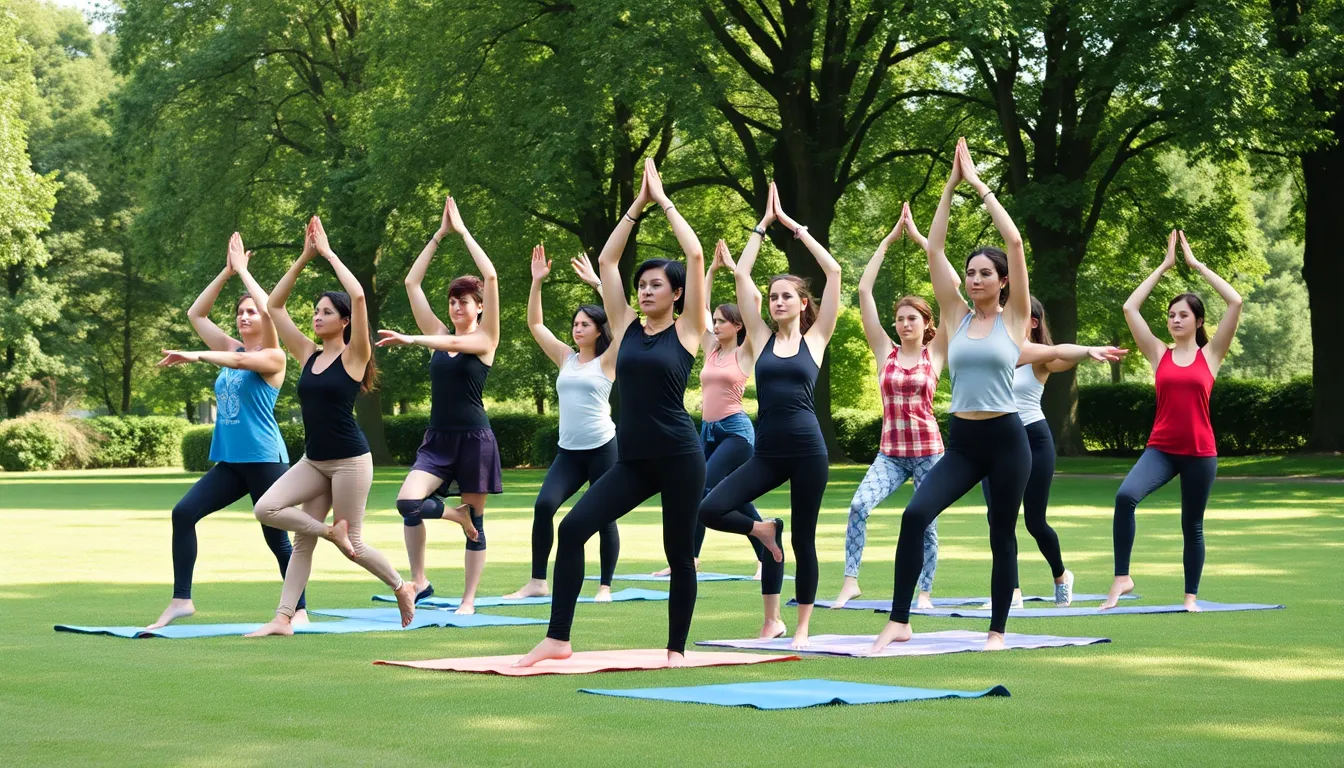
Mindfulness includes various practices aimed at cultivating awareness and presence. Individuals can explore different techniques to enhance their mental well-being.
Meditation Techniques
Meditation techniques play a vital role in mindfulness. Common forms include guided meditation, where a facilitator leads the session. Another popular option is loving-kindness meditation, which focuses on developing compassion for oneself and others. Body scan meditation encourages awareness of physical sensations, promoting relaxation. Each technique can lead to increased focus and emotional resilience.
Breathing Exercises
Breathing exercises offer a quick way to ground oneself in the present. Techniques such as diaphragmatic breathing involve deepening the breath to calm the mind. Four-square breathing teaches counting to foster rhythmic inhalation and exhalation. Nadi shodhana, or alternate nostril breathing, balances energy and reduces anxiety. Incorporating these exercises into daily routines enhances overall mindfulness practice.
Mindful Movement
Mindful movement incorporates physical activity into mindfulness. Yoga stands out as a prominent practice, merging breath with movement for improved focus and flexibility. Tai Chi emphasizes slow, deliberate motions that enhance balance and clarity. Walking meditation allows individuals to cultivate awareness in every step, promoting presence in motion. Engaging in mindful movement fosters a deeper connection between mind and body.
Benefits Of Mindfulness Practices
Mindfulness practices offer a wide range of benefits that positively impact both mental and physical health. These techniques enhance overall well-being and provide coping strategies for daily challenges.
Mental Health Improvements
Mindfulness reduces symptoms of anxiety and depression. Research shows that regular practice can lead to improved emotional regulation. Enhanced self-awareness occurs as individuals learn to observe their thoughts without judgment. Increased focus becomes evident, allowing for better performance in daily tasks. Greater resilience builds, enabling people to cope with stress more effectively. Studies indicate that engaging in mindfulness practices can even promote a more positive outlook on life.
Physical Health Benefits
Regular mindfulness practices contribute to improved physical health. Stress reduction plays a significant role in lowering blood pressure and improving heart health. Immune system function benefits from the enhanced state of relaxation. Individuals often experience better sleep quality, leading to increased energy levels throughout the day. Additionally, mindfulness practices can help with pain management, allowing individuals to perceive discomfort differently. Overall, these techniques support a healthier, more balanced lifestyle.
Integrating Mindfulness Into Daily Life
Incorporating mindfulness into daily routines enhances present-moment awareness. Mindfulness practices become more beneficial when integrated into everyday activities.
Tips For Beginners
Start with five minutes of mindful breathing each day. Focus on inhalation and exhalation while letting thoughts come and go. Gradually increase the duration as comfort grows. Setting specific times, such as mornings or evenings, helps establish a routine. Additionally, exploring different techniques like guided meditations can provide variety. Keeping a mindfulness journal coordinates reflection on experiences, highlighting progress. Using apps can also support beginners by offering reminders and resources.
Creating A Mindful Environment
Designing a mindful space encourages a serene atmosphere. Decluttering areas reduces distractions, enabling better focus. Including elements such as plants, calming colors, and soft lighting enhances tranquility. Creating a dedicated spot for meditation or mindfulness practice reinforces commitment. Additionally, eliminating noise disruptions boosts concentration during mindfulness sessions. Incorporating soothing scents, like lavender or sandalwood, promotes relaxation. Personalizing the space with meaningful items fosters a deeper connection to the practice.
Challenges And Misconceptions
Understanding mindfulness practices includes recognizing common challenges and misconceptions. These elements can discourage individuals from engaging fully in mindfulness.
Common Misunderstandings
Many individuals mistakenly believe mindfulness requires hours of meditation daily. Mindfulness can be practiced in just a few minutes. Some think focusing on the breath means emptying the mind entirely. In reality, thoughts will arise, and mindfulness encourages acknowledgment without judgment. Others may believe mindfulness equates to relaxation. While relaxation is a benefit, mindfulness also involves active awareness and engagement with the present. Misconceptions can create barriers to practice, leading to frustration.
Overcoming Barriers
Barriers to mindfulness include time constraints, distraction, and skepticism about its effectiveness. Time constraints can often feel overwhelming. A commitment to just five minutes a day can ease this pressure. Distractions may arise during practice, but finding a quiet corner or using guided meditations can enhance focus. Skepticism might stem from a lack of understanding. Educating oneself about mindfulness benefits can foster deeper appreciation and commitment. Awareness of these barriers and strategies to address them supports a consistent mindfulness practice journey.
Mindfulness practices offer a powerful way to cultivate awareness and serenity in a fast-paced world. By integrating techniques such as meditation and mindful breathing into daily routines, individuals can significantly enhance their mental and physical well-being. Embracing mindfulness fosters resilience against stress and improves emotional regulation, making it an invaluable tool for navigating life’s challenges.
As one explores various mindfulness techniques, the journey becomes a personal path toward greater self-awareness and peace. With commitment and practice, even the busiest individuals can experience the transformative effects of mindfulness. The journey to a more present and balanced life starts with just a few mindful moments each day.