

In a world where kale smoothies and avocado toast reign supreme, the food and beverage industry is buzzing with exciting trends that are hard to ignore. From plant-based innovations to sustainable packaging, today’s consumers are craving more than just flavor; they want experiences that align with their values. It’s not just about quenching thirst or satisfying hunger anymore; it’s about making a statement with every bite and sip.
As palates evolve and lifestyles change, businesses must adapt to stay relevant. Whether it’s the rise of ghost kitchens or the explosion of artisanal snacks, the landscape is shifting faster than you can say “organic quinoa.” Dive into the latest trends that are reshaping what’s on our plates and in our glasses, and discover how these changes can elevate the dining experience while keeping it fresh, fun, and oh-so-delicious.
Overview of Current Trends in Food and Beverage Industry
The food and beverage industry focuses on several key trends that reshape consumer preferences and business operations. Plant-based products lead the market, with sales increasing by over 27% in recent years, driven by health-conscious consumers. Sustainability also plays a crucial role, as brands adopt eco-friendly packaging and responsible sourcing methods to attract environmentally aware shoppers.
Ghost kitchens have emerged as a popular model, allowing restaurants to operate without traditional dine-in spaces. This trend efficiently caters to the growing demand for delivery and takeout by reducing overhead costs. Additionally, artisanal snacks are gaining traction, capturing consumer attention with unique flavors and high-quality ingredients.
Health and wellness trends significantly influence product development. Consumers increasingly gravitate towards functional foods that promote health benefits, such as probiotics and superfoods. Transparency in labeling also matters more than ever; shoppers prefer clear ingredient lists that reflect ethical production.
Technology integration continues to innovate the industry. Online platforms facilitate direct-to-consumer sales, while AI-driven analytics help businesses better understand consumer behavior and preferences. Customization options offer another layer of engagement, allowing consumers to tailor products to their tastes.
Social media impacts food marketing, as visually appealing content drives trends and influences dining choices. Engagement through platforms like Instagram creates a buzz around new products and experiences. Understanding these dynamics helps businesses align their strategies with consumer behavior.
Overall, these trends highlight a clear shift in the food and beverage landscape, showcasing the importance of innovation and consumer preference. Adaptation to these changes ensures that businesses remain competitive and relevant in a fast-evolving market.
Health and Wellness Trends
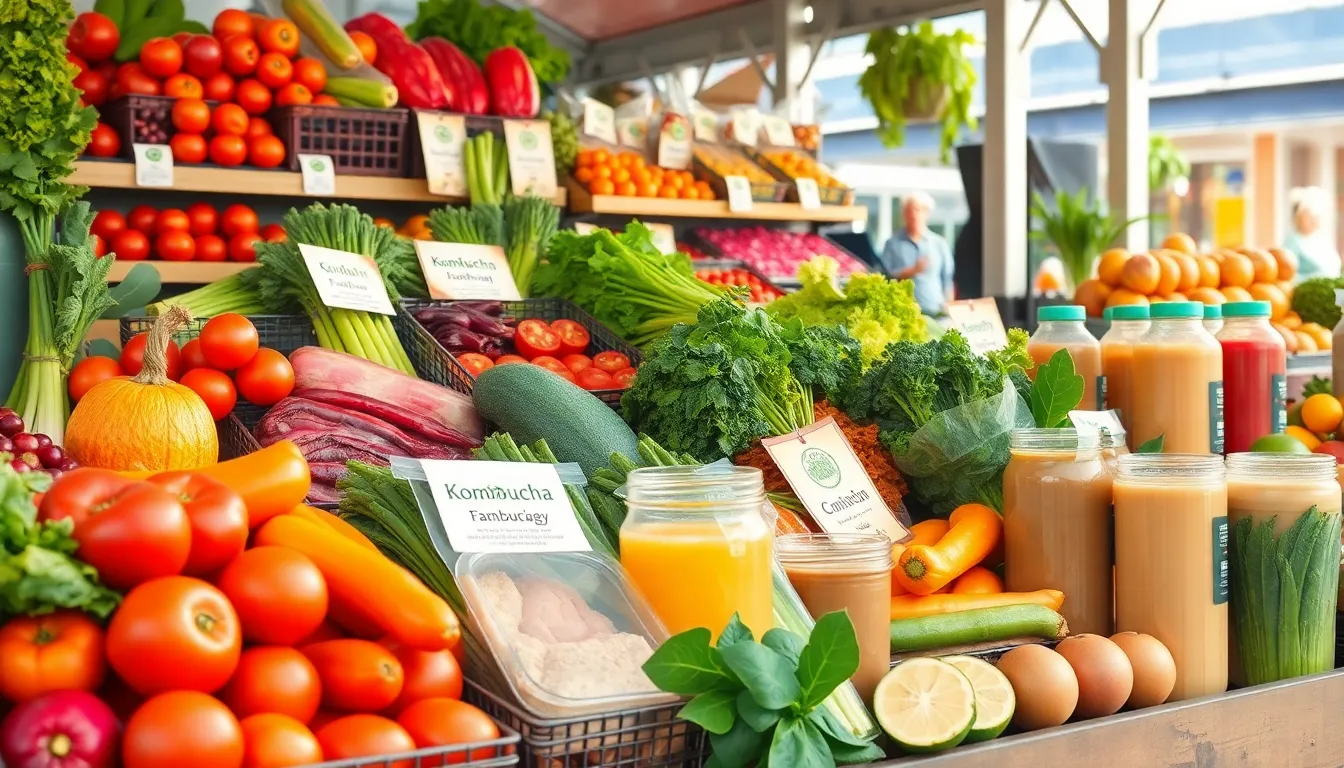
Health and wellness trends significantly influence the food and beverage industry. Consumers increasingly prioritize nutritious options that align with their lifestyles.
Plant-Based Alternatives
Plant-based alternatives continue to gain momentum. Recent statistics show a 29% rise in plant-based product sales from 2021 to 2022. This surge reflects consumers’ growing awareness of health benefits associated with plant-based diets. Companies such as Beyond Meat and Impossible Foods lead the market, offering products that appeal to both vegans and flexitarians. Additionally, innovative recipes and flavors enhance the appeal of these alternatives, engaging a wider audience. Retailers now highlight plant-based options prominently, responding to the demand for healthier choices.
Functional Foods and Beverages
Functional foods and beverages create a new category of health-focused offerings. Many consumers seek products with added benefits, such as probiotics for gut health and antioxidants for immune support. For instance, kombucha and fortified smoothies are popular choices that attract health-conscious individuals. According to recent data, the global functional food market is projected to reach $250 billion by 2027. Companies increasingly invest in research and development to create products that align with consumer desires for wellness. Transparency in labeling further builds trust, as educated consumers seek to understand the ingredients in their food and beverages.
Sustainability in Food Production
Sustainability shapes modern food production, reflecting consumer values and preferences. Brands prioritize eco-friendly practices, recognizing the impact of their choices on the environment.
Eco-Friendly Packaging
Eco-friendly packaging garners attention for its role in reducing waste. Many companies transition to compostable materials and recyclable options. The demand for sustainable packaging grew by 20% in the past year, driven by consumer awareness. Brands like Nestlé and Unilever set benchmarks by committing to sustainable sourcing and plastic reduction. Innovative solutions like biodegradable food wrappers and reusable containers emerge as industry standards. Shoppers increasingly choose products that align with their sustainability values, demonstrating a shift towards greener choices.
Local Sourcing and Farm-to-Table Movement
Local sourcing thrives as consumers seek fresh, quality ingredients. The farm-to-table movement gains momentum, promoting transparency in food production. Reports indicate that 30% of consumers prefer locally sourced meals, believing they support local economies and reduce carbon footprints. Restaurants and retailers embrace partnerships with local farms, integrating community engagement into their business models. Seasonal menus emerge, showcasing ingredients at their peak freshness. This trend fosters a deeper connection between consumers and the origins of their food, enhancing overall dining experiences.
Technological Innovations
Technological advancements significantly reshape the food and beverage industry, driving efficiency and enhancing customer experiences.
Use of AI and Big Data
AI and big data analytics optimize operations and improve customer engagement. Businesses increasingly utilize AI algorithms to predict trends and consumer preferences, which allows for tailored marketing strategies. For example, restaurants can analyze ordering patterns to create personalized menus, fostering loyalty among customers. Big data also aids in inventory management, helping to reduce waste and cut costs. The global AI-driven food tech market is expected to reach $34 billion by 2027, highlighting the substantial investment and growth in this sector. Understanding these trends equips businesses with the tools needed to adapt to evolving consumer demands.
Automation in Food Service
Automation transforms food service operations, enhancing convenience and speed. Robotics and automated systems streamline food preparation and delivery processes, which reduces labor costs and minimizes human error. For instance, robotic kitchen assistants can efficiently chop vegetables or cook dishes, allowing chefs to focus on creativity and presentation. In addition, kiosks and mobile apps for ordering reduce wait times and improve order accuracy. The market for food automation solutions is rapidly expanding, projected to reach $14 billion by 2026. Embracing automation not only satisfies consumer expectations for efficiency but also supports businesses in maintaining competitive edges.
Consumer Behavior Shifts
Consumer preferences in the food and beverage industry reflect a notable transformation, emphasizing values such as transparency, authenticity, and convenience.
Demand for Transparency and Authenticity
Transparency remains a crucial demand among consumers. They expect detailed information about sourcing, ingredients, and production processes. Authenticity in branding builds trust, making consumers more likely to choose products that align with their values. A significant 70% of shoppers report prioritizing brands that provide clear ingredient transparency. Ethical sourcing practices also resonate strongly, with 50% of consumers willing to pay more for products that demonstrate sustainability. Companies that communicate their practices effectively enhance loyalty while attracting health-conscious and ethically-minded customers.
Rise of Convenience Foods
Convenience foods are increasingly popular due to busy lifestyles. Consumers seek quick meal solutions that do not compromise quality or nutrition. A 40% rise in sales of ready-to-eat meals reflects this shift. Popular items include pre-prepared meals, snacks, and meal kits designed for efficient cooking. Brands are responding by introducing diverse options, catering to various dietary needs and preferences. This trend underscores the demand for both convenience and quality, as consumers prioritize quick access to nutritious food.
The food and beverage industry is undergoing a remarkable transformation driven by consumer preferences and innovative practices. As health and sustainability take center stage, businesses must adapt to meet the rising demand for plant-based options and eco-friendly solutions.
Embracing technology will further enhance operational efficiency and customer engagement. With a focus on transparency and authenticity, brands that align with these values are likely to thrive in this evolving landscape.
Ultimately, the future of dining promises to be a blend of taste, health, and ethical considerations, creating a richer experience for consumers.