

Fermentation might sound like a fancy term reserved for hipster cafés and artisanal food blogs, but it’s time to embrace this age-old technique that transforms ordinary ingredients into culinary masterpieces. Imagine turning cabbage into tangy sauerkraut or milk into creamy yogurt—all thanks to the magic of microbes. It’s like having a tiny party in your pantry where bacteria and yeast are the life of the show!
Overview of Fermentation Techniques
Fermentation techniques involve various methods that harness the power of microorganisms to transform ingredients. Traditional techniques include lactic acid fermentation and alcoholic fermentation. Lactic acid fermentation uses bacteria to convert sugars into lactic acid, resulting in foods like sauerkraut and yogurt. Alcoholic fermentation primarily involves yeast, which converts sugars to alcohol and carbon dioxide, creating beverages like beer and wine.
Temperature control plays a crucial role in fermentation processes. Different microorganisms thrive at specific temperatures. For instance, many vegetables ferment best at cool room temperatures, while yeast prefers warmer environments for optimal alcohol production.
Timing also determines the outcome of fermented products. Short fermentation times can yield milder flavors, while extended periods deepen complexity in taste. Various cultures adapt fermentation techniques, leading to regional specialties like kimchi in Korea and kefir in the Caucasus.
Monitoring pH levels ensures food safety and quality. Maintaining a lower pH during lactic acid fermentation inhibits harmful bacteria. This step is vital for achieving desired textures and flavors in the final products.
Equipment contributes to effective fermentation. Simple tools like jars and cloths often suffice for home fermentation. Advanced methods might use sealed fermentation tanks that control oxygen exposure and temperature.
Fermentation techniques promote nutritional benefits in many foods. Probiotics arise during fermentation, enhancing gut health. These microorganisms can bolster the immune system, improve digestion, and contribute to overall well-being.
Each technique brings its unique characteristics to the table, making fermentation an intriguing and versatile method for enhancing food and drink.
Types of Fermentation
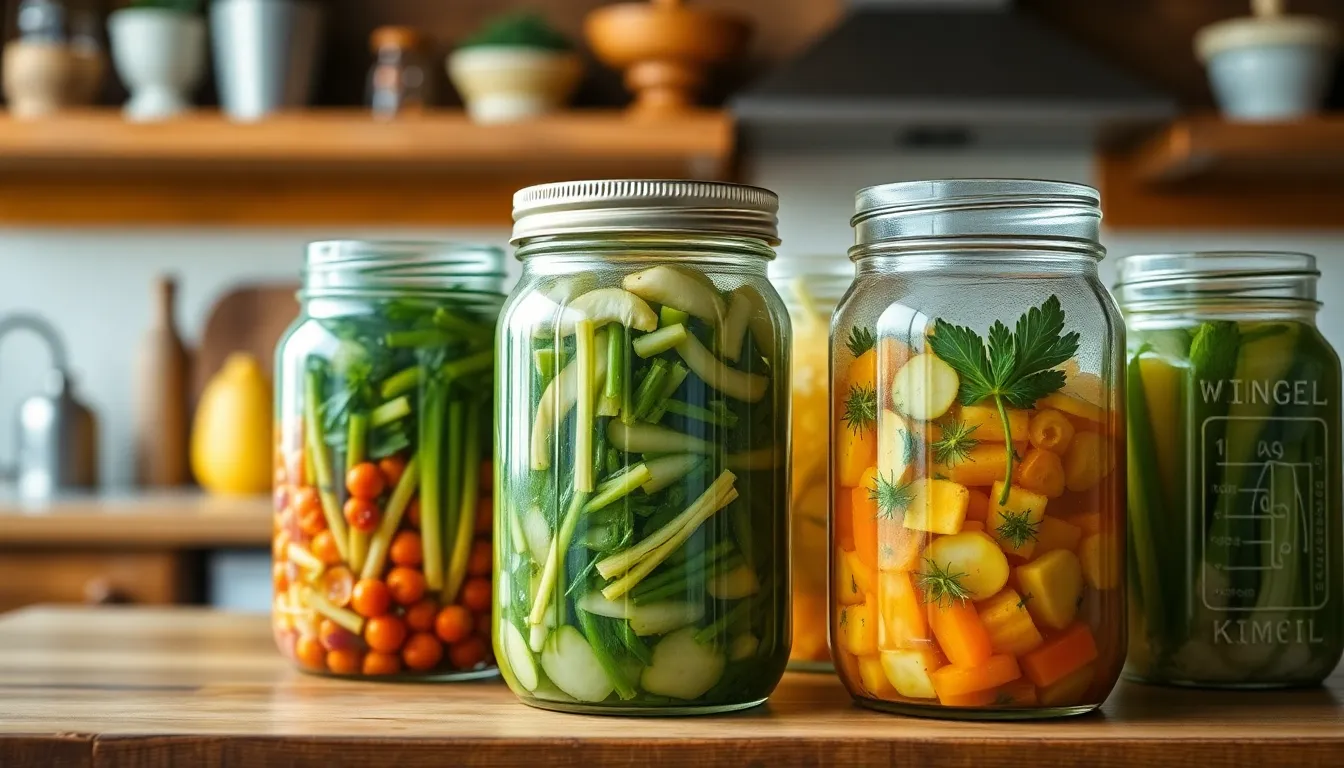
Fermentation encompasses several distinct types, each producing unique flavors and textures in foods and beverages. Below are the primary fermentation techniques.
Alcoholic Fermentation
Alcoholic fermentation primarily involves yeast converting sugars into alcohol and carbon dioxide. This technique forms the backbone of brewing beer and winemaking. Saccharomyces cerevisiae, a common yeast strain, thrives in sugary environments, turning grape juice into wine or malted grains into beer. Optimal temperatures for this fermentation range from 60°F to 75°F. Monitoring fermentation time can significantly impact flavor profiles, with longer fermentations often yielding more complex alcoholic beverages.
Lactic Acid Fermentation
Lactic acid fermentation relies on bacteria, such as Lactobacillus, to convert sugars into lactic acid. This method is instrumental in producing yogurt, sauerkraut, and kimchi. It occurs optimally at temperatures between 60°F and 80°F. The environment’s pH drops during this process, enhancing food preservation and developing tangy flavors. Variety in fermentation time alters taste and texture, allowing for a personalized finish in each batch.
Acetic Acid Fermentation
Acetic acid fermentation transforms alcohol into vinegar through the action of Acetobacter bacteria. This process is vital for creating various types of vinegar, such as apple cider vinegar and balsamic vinegar. Complete fermentation typically occurs at temperatures around 70°F to 85°F. Adjusting exposure to oxygen during fermentation affects the flavor and aroma of the final product. Longer fermentation periods lead to stronger acidic profiles while enhancing the complexity of the vinegar.
Essential Equipment for Fermentation
Fermentation requires specific equipment for optimal results. Choosing the right tools enhances the fermentation process and ensures quality outcomes.
Fermenters and Jars
Fermenters come in various shapes and sizes, making them suitable for different fermentation projects. Glass jars with wide mouths are popular choices because they allow easy access for mixing and monitoring. Specific fermenters, such as crocks or plastic containers, also cater to larger batches. Lids play a critical role in preventing contamination while allowing gases to escape. Additionally, using airlocks in fermenters minimizes exposure to oxygen, which protects the fermenting food from spoilage.
Temperature Control Devices
Temperature control devices are vital for managing fermentation conditions. Thermometers monitor the temperature accurately, allowing adjustments to align with specific microbial needs. Fermentation blankets provide an additional layer of warmth, particularly during cooler months. Heating mats are also effective for maintaining the ideal temperature for sensitive fermentations. Using these devices not only supports microbial activity but also enhances the overall flavor profiles of the final products.
Benefits of Fermentation Techniques
Fermentation provides various advantages that enhance food quality and expand culinary possibilities. From nutritional benefits to improved shelf life, these techniques elevate standard ingredients.
Nutritional Advantages
Fermented foods offer numerous health benefits. Probiotics present in products like yogurt and kefir support gut health. These microorganisms aid digestion and enhance nutrient absorption. Fermentation also boosts vitamin levels, particularly B vitamins and vitamin K2. Antioxidants develop during the process, helping combat oxidative stress. Additionally, some fermented products contain bioactive compounds that may strengthen the immune system. These factors contribute to a balanced diet and improved overall health.
Preservation and Shelf Life
Fermentation extends the shelf life of foods significantly. Lactic acid produced during fermentation lowers pH levels, creating an acidic environment that inhibits spoilage bacteria. This natural preservation method keeps foods like pickles and sauerkraut safe for months. Acetic acid fermentation, utilized in vinegar production, also enhances longevity. Fermentation’s ability to create unique flavors adds appeal, encouraging individuals to choose preserved options over fresh counterparts. With enhanced preservation, many fermented foods retain their quality much longer than unfermented alternatives.
Challenges in Fermentation
Fermentation presents several challenges that can impact the final product. Awareness of these challenges aids in avoiding common pitfalls.
Common Issues and Solutions
Temperature fluctuations can disrupt the fermentation process. Maintaining a consistent environment ensures optimal microbial activity. For example, if temperatures drop too low, fermentation may slow or stall completely. Additionally, improper pH levels can affect food safety and flavor. Monitoring pH during fermentation helps maintain the right balance. Contamination from unwanted bacteria poses another risk. Using sterilized equipment reduces this likelihood. Issues with flavor development can arise if fermentation time is inadequate. Tasting products periodically during the process assists in achieving desired flavors. Lastly, inadequate oxygen supply can hinder fermentation for aerobic yeasts. Providing proper ventilation or using airlocks prevents this issue.
Future Trends in Fermentation Techniques
Emerging fermentation techniques focus on sustainability and innovation. Increased interest in plant-based diets drives the exploration of novel ingredients like legumes and grains. Manufacturers experiment with fermentation enzymes, enhancing flavors and textures in plant-derived products.
Advancements in microbiology accelerate the development of custom microbial strains. This innovation allows for tailored fermentation processes, resulting in unique flavors while improving nutrient profiles. Researchers prioritize understanding the interaction between these microorganisms and various substrates.
Technology plays a vital role in shaping the future of fermentation. Smart fermentation devices provide users with real-time monitoring of temperature and pH levels. These devices enhance precision, ensuring optimal conditions for fermentation and consistent outcomes.
Consumer demand for functional foods fuels the growth of probiotics and prebiotics in fermented products. Fermented foods now include innovations like kefir smoothies and fermented nut cheeses, catering to health-conscious individuals. Increased access to information encourages home fermenters to experiment with diverse flavors and methods.
Collaboration between chefs and food scientists also influences fermentation trends. Culinary experimentation leads to unique applications in restaurants, showcasing the versatility of fermentation techniques. This collaboration often results in exciting menu offerings, enticing consumers to explore new flavors.
Finally, the global market for fermented foods continues to expand. Diverse cultural backgrounds contribute to increased popularity of traditional fermentation practices. Markets now offer a variety of products from kimchi to kombucha, reflecting consumer interest in artisanal and heritage foods. Each trend highlights the dynamic nature of fermentation as it adapts to contemporary preferences and needs.
Fermentation techniques offer a fascinating journey into the world of food transformation. By harnessing the power of microorganisms, individuals can create a variety of flavorful and nutritious products right in their own kitchens. The versatility of fermentation not only enhances taste but also promotes health benefits through probiotics and nutrient-rich profiles.
As trends evolve toward sustainability and innovation, the future of fermentation looks promising. With advances in technology and a growing interest in plant-based options, there’s never been a better time to explore these ancient practices. Embracing fermentation not only enriches culinary experiences but also connects individuals to a rich tradition that continues to thrive today.