

Honey lovers know the struggle: one moment, it’s a smooth, golden delight, and the next, it’s a chunky mess that resembles a science experiment gone wrong. Crystallization can turn your sweet treat into a gritty nuisance, but fear not! With a few simple tricks, it’s possible to keep that liquid gold flowing freely.
Understanding Honey Crystallization
Honey crystallization is a natural phenomenon affecting its texture. Understanding the science behind this process helps in reducing crystallization.
The Science Behind Crystallization
Crystallization occurs when glucose in honey separates from water, forming solid sugar crystals. Glucose molecules bond and create a crystalline structure. Honey’s composition, primarily containing sugar and water, plays a crucial role in this process. Factors like temperature promote crystallization, particularly in cooler environments. In warmer conditions, honey remains liquid as glucose stays dissolved. Honey’s floral source also impacts crystallization rates; certain flowers produce glucose-rich honey, leading to faster crystallization.
Factors Contributing to Crystallization
Crystallization in honey depends on several factors. Temperature fluctuations strongly influence its state. Cooler temperatures often lead to crystallization, while consistent warmth helps maintain liquid form. The moisture content matters too; honey with low moisture content crystallizes quickly. Higher glucose levels speed up the crystallization process, making certain types of honey more prone to this change. Storage conditions also play a significant role. Storing honey in glass containers and avoiding air exposure can help slow crystallization.
Prevention Techniques
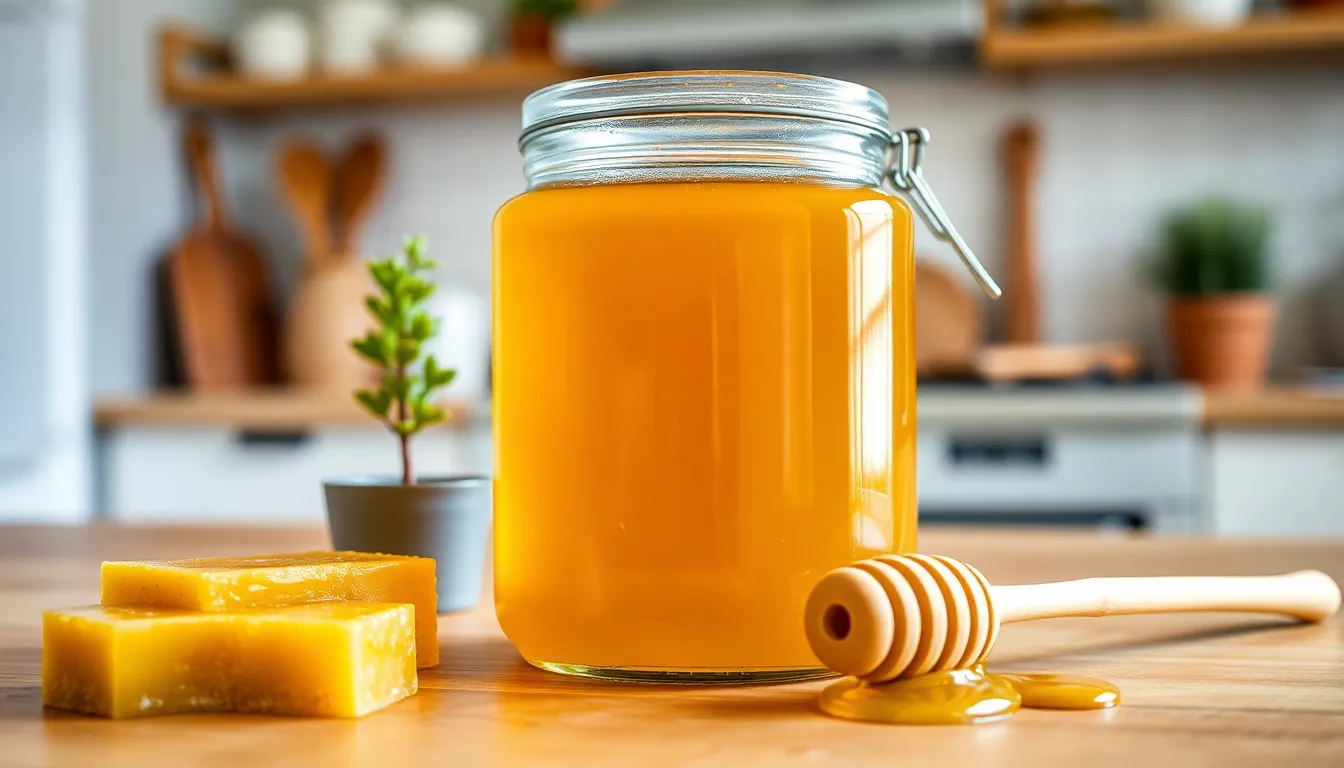
Preventing honey crystallization involves proper storage and selecting honey types wisely. Attention to these factors ensures honey maintains its smooth texture.
Proper Storage Methods
Store honey in glass containers to minimize moisture absorption. Avoid metal containers which can react with honey and promote crystallization. Keeping the honey sealed reduces air exposure, which helps maintain freshness. Keeping honey in a cool, dark place at temperatures above 70°F slows the crystallization process. Regular monitoring of humidity levels in storage areas can also enhance preservation.
Choosing the Right Type of Honey
Opt for honey varieties like clover, which remain liquid longer. Selecting raw honey enhances flavor while limiting crystallization. Some floral sources, such as acacia, resist crystallization due to their high fructose content. Consider lighter honey types, which generally crystallize slower compared to darker varieties. Choosing liquid honey from reputable suppliers can also affect crystallization tendencies.
Reversing Crystallization
Honey can return to its smooth form through several effective methods. Reversing crystallization involves gentle techniques that restore honey’s original consistency without damaging its quality.
Gentle Heating Methods
Gentle heating methods can effectively dissolve sugar crystals in honey. Use a microwave or stovetop to warm honey on low heat. Microwaving honey requires short intervals of 10 seconds to prevent overheating. Stovetop heating should involve placing honey in a pot over low flame for better control. This method helps maintain natural flavors while returning the honey to liquid form. Frequent stirring promotes even heating, so it’s essential for achieving the desired outcome.
Using Water Baths
Using water baths represents another effective way to reverse crystallization. Fill a pot with warm water and place a jar of crystallized honey into it. This indirect heating method ensures even warmth around the honey. Temperatures above 100°F work best for dissolving crystals without degrading flavor. Stirring the honey every few minutes encourages faster melting. Monitor water levels to keep the jar submerged for consistent results. This approach protects the honey’s quality while restoring its appealing texture.
Benefits of Liquid Honey
Liquid honey boasts numerous advantages that enhance its appeal. Its smooth texture and rich flavor make it a preferred choice for many.
Flavor and Texture
Liquid honey offers a delicate blend of sweetness and nuanced flavors unique to its floral source. A smooth consistency makes it easy to pour and mix into beverages or recipes. Many people find that it pairs wonderfully with tea, yogurt, or baked goods, elevating the overall taste experience. When honey remains liquid, its natural aroma remains intact, providing a delightful sensory experience.
Nutritional Advantages
Liquid honey contains vital antioxidants that contribute to overall health. Consuming honey regularly can support a robust immune system. The presence of natural enzymes in liquid honey aids digestion, promoting a healthy gut. Additionally, liquid honey delivers a quick energy boost due to its natural sugars. This makes it a popular choice among athletes and active individuals. Its ability to retain nutrients compared to crystallized honey further enhances its nutritional profile.
Maintaining honey’s liquid consistency is essential for enjoying its full flavor and health benefits. By following the right storage practices and selecting suitable honey types, anyone can effectively prevent crystallization. Proper containers and temperature control play a crucial role in preserving honey’s smooth texture.
When crystallization does occur, gentle heating methods can restore honey to its original state without compromising quality. With these tips, honey lovers can savor the delightful sweetness and myriad benefits of liquid honey, ensuring it remains a staple in their kitchens.